27.1 C
Jalandhar
Friday, April 24, 2026
Home Blog Page 476

Union Ministry of Tourism organises regional workshop at Kolkata for Eastern Region on Development of Sustainable and Responsible Tourist Destinations

0

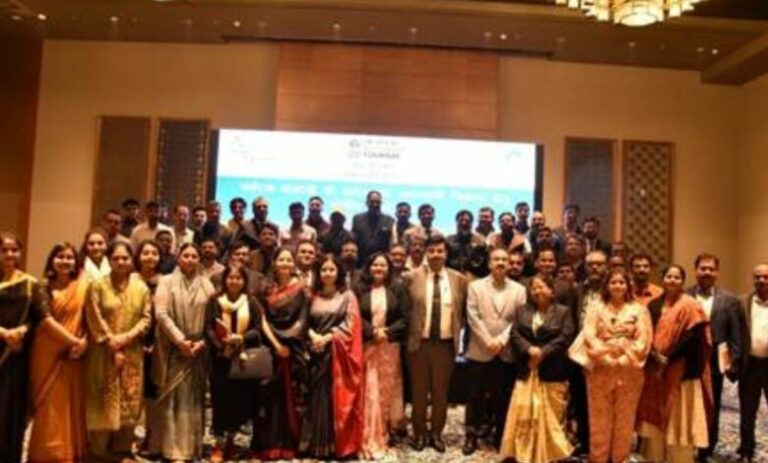
With a view to developing sustainable and responsible tourist destinations and promoting sustainable tourism in the country, the Ministry of Tourism in association with the Indian Institute of Tourism and Travel Management (IITTM), UNEP and the Responsible Tourism Society of India (RTSOI) organised the second regional workshop on Development of Sustainable and Responsible Tourist Destinations at Kolkata on 11th January 2023. The workshop witnessed wide participation of senior Government officials and tourism industry stakeholders from the States/ Union Territory of the Eastern region viz. Andaman & Nicobar Islands, Bihar, Jharkhand and West Bengal.

The keynote address at the workshop was delivered by Shri Prashant Ranjan, Director, Ministry of Tourism. In his address, he highlighted the need for sustainability in tourism and the significance of Centre, State and Industry collaboration in achieving this objective. He also spoke about the Hon’ble Prime Minister`s vision for environmental sustainability and developing border tourism and emphasized the ways in which tourism can be aligned with LiFE Mission. He also highlighted India’s opportunity to leverage the upcoming G20 meetings at various locations to position ourselves as a global leader in Sustainable and Responsible Tourism.

Dr Saumitra Mohan, IAS, Secretary (Tourism), West Bengal set the State level context for Sustainable Tourism. He introduced State initiatives such as the Kolkata Integrated City Pass, ‘Patha Sathi’ wayside amenities throughout the State, Ecotourism Parks, and Homestay Registration under which more than 2000 homestays are registered in West Bengal. He emphasised the participation of the tourism industry and stakeholders in the implementation of responsible behaviour across tourism operations.

Shri Uttank Joshi, Assistant Director General, Ministry of Tourism shared success stories of Swadesh Darshan 1.0, the flagship centrally sponsored scheme of the Ministry of Tourism for creating tourism infrastructure in the country. He also gave an overview of Swadesh Darshan 2.0 and illustrated how it integrates sustainability in destination development.

Shri Anirudh Chaoji, representative of RTSOI deliberated with the participants on the need for sensitising the tourist and creating a demand for responsible travel. He introduced the Responsible Travellers campaign and explained ways to educate tourists about responsible behaviour.

Ms Manisha Choudhary, Program Officer, United Nations Environmental Programme (UNEP) shared some landmark efforts like the Global Tourism Plastics initiative and the Glasgow Declaration on Climate Action in Tourism launched in November 2021 in climate change CoP 26. Interventions at State Level and guidelines on plastic waste management in the tourism sector were highlighted.  She encouraged stakeholders to join such initiatives and set targets to address the crisis of climate change, pollution and biodiversity loss in alignment with national and global commitments for sustainable development.

Presentations were also made by representatives of State and UTs Tourism Departments from the Eastern region, calling attention to their best practices in sustainable tourism as well as challenges in the implementation of sustainable tourism which were addressed by the Ministry of Tourism, UNEP, and RTSOI.

Central Nodal Agency for Sustainable Tourism, Indian Institute of Tourism and Travel Management briefed the participants about the salient features of Sustainable Tourism Criteria for India (STCI). The participants also took the Travel for LiFE pledge to seek their commitment towards travelling responsibly. 

Grassroots industry stakeholders also presented their innovative ways of implementing sustainable tourism and success stories in different regions of eastern regions to create a tangible positive impact.

The workshop strengthened the engagement among the Ministry of Tourism, State Governments/ UT Administrations and Industry stakeholders towards achieving Sustainability Goals.

Disclaimer: This is an official press release by PIB.
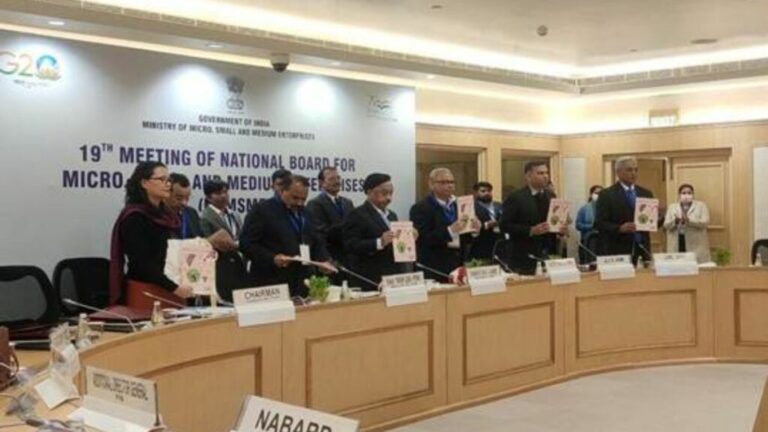
Shri Narayan Rane chairs the 19th meeting of the National Board of MSME (NBMSME)

0

Shri Narayan Rane releases the Global Entrepreneurship Monitor (GEM) India Report 2021-22 and launches the Formalization Project by including 8 lakh informal Micro Enterprises

Union Minister of MSME Shri Narayan Rane chaired the 19th meeting of the National Board of MSME (NBMSME) held yesterday in New Delhi.  State Minister of MSME  Shri Bhanu Pratap Singh Verma graced the occasion. Senior officers of Central and State Governments, office bearers of different industry associations, and other delegates also attended the meeting.

Union Minister released the Global Entrepreneurship Monitor (GEM) India Report 2021-22. The GEM is a global study conducted by GEM Consortium with the aim to collect internationally comparative primary data on entrepreneurial activity and its related concepts.

A Memorandum of Understanding was signed between the Ministry of MSME and the Small Industries Development Bank of India (SIDBI) for the operationalisation of the Formalization Project for bringing Informal Micro Enterprises into the formal ambit. The Formalization Project was launched by the Minister by including 8 lakh Informal Micro Enterprises.

The Board reviewed the action taken on all issues pertaining to the development of MSMEs which had been discussed during the 18th Meeting. Presiding over the meeting, Shri Narayan Rane assured the Board that all the valuable suggestions made by the members during the meeting would be considered appropriately and special emphasis would be laid on addressing issues of IMEs.

He laid emphasis on increasing domestic production for increasing per capita income and working towards the Prime Minister’s dream of Aatma Nirbhar Bharat. For achieving these, financing MSMEs and facilitating their payment needs was emphasised. He also requested for support of all stakeholders present in the meeting towards the enhancement of entrepreneurial skills and creating more employment.

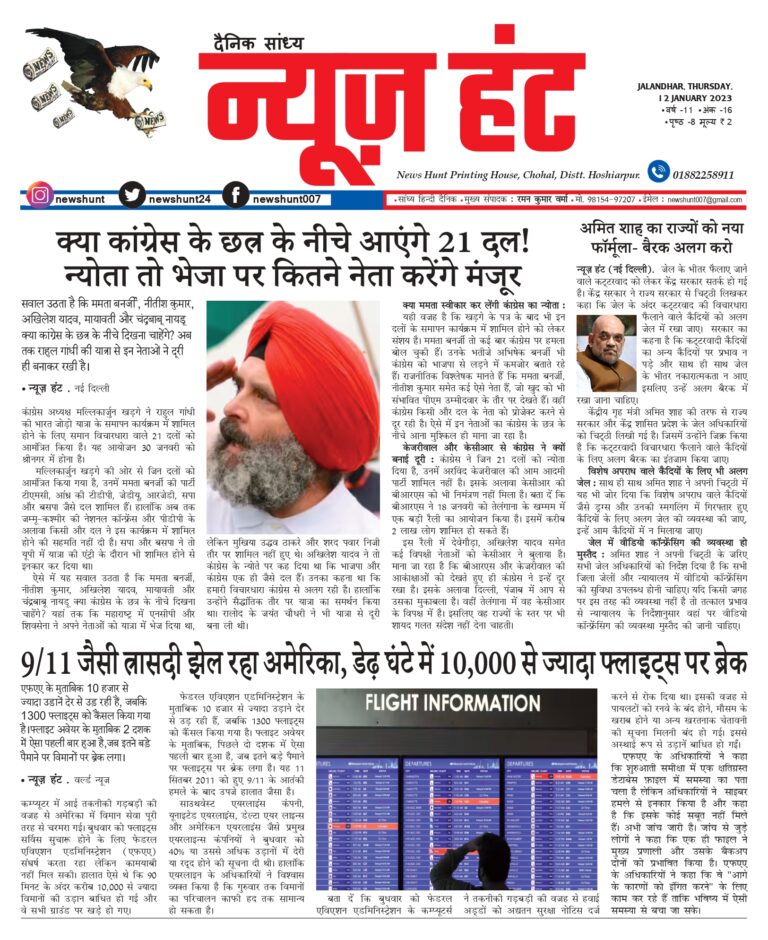
News Hunt Daily Evening E-Paper

0

12 January 2023

Page 1

#news #breakingnews #epaper #Newshunt #latestnews #LatestUpdates #latestupdates #indianewstodaylive

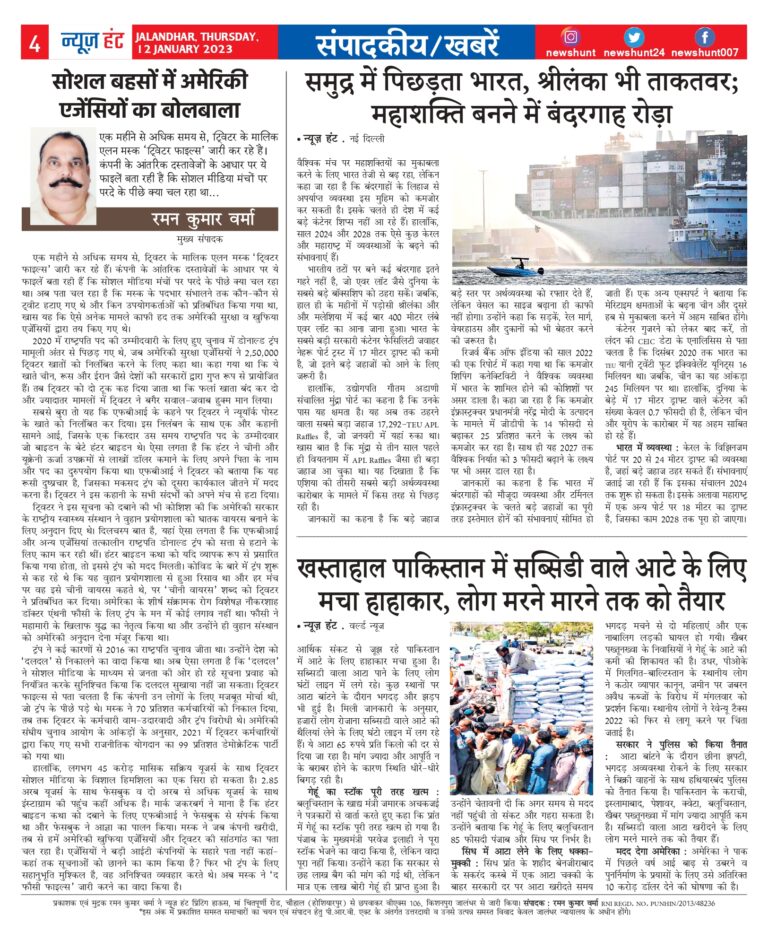
News Hunt Daily Evening E-Paper

0

12 January 2023

Page 4

#news #breakingnews #epaper #Newshunt #latestnews #LatestUpdates #latestupdates #indianewstodaylive

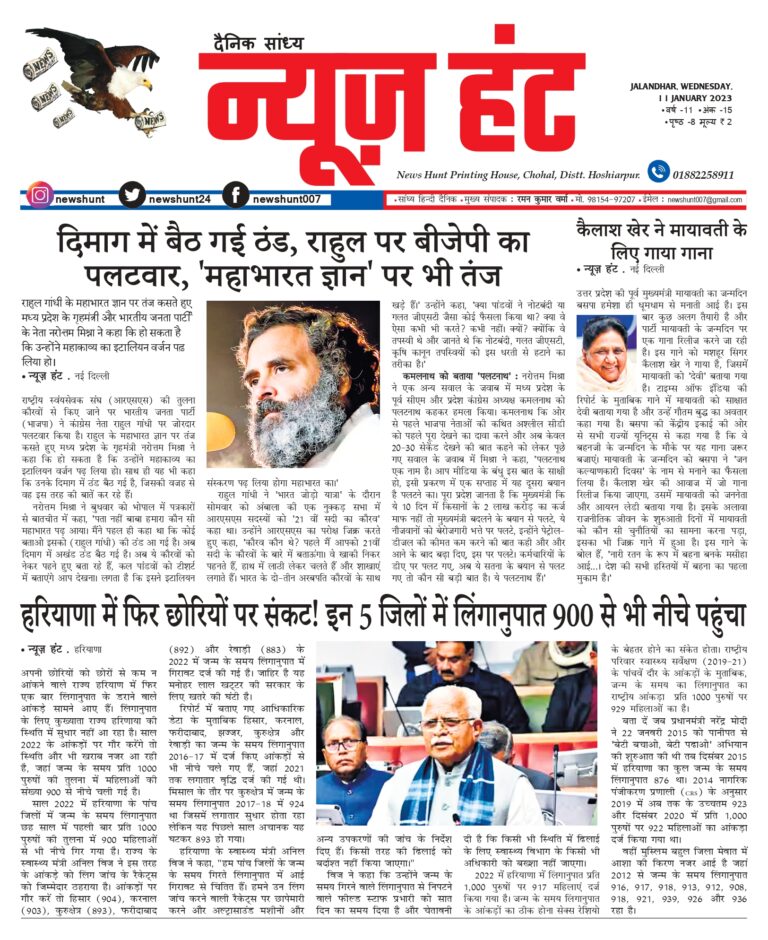
News Hunt Daily Evening E-Paper

0

11 January 2023

Page 1

#news #breakingnews #epaper #Newshunt #latestnews #LatestUpdates #latestupdates #indianewstodaylive

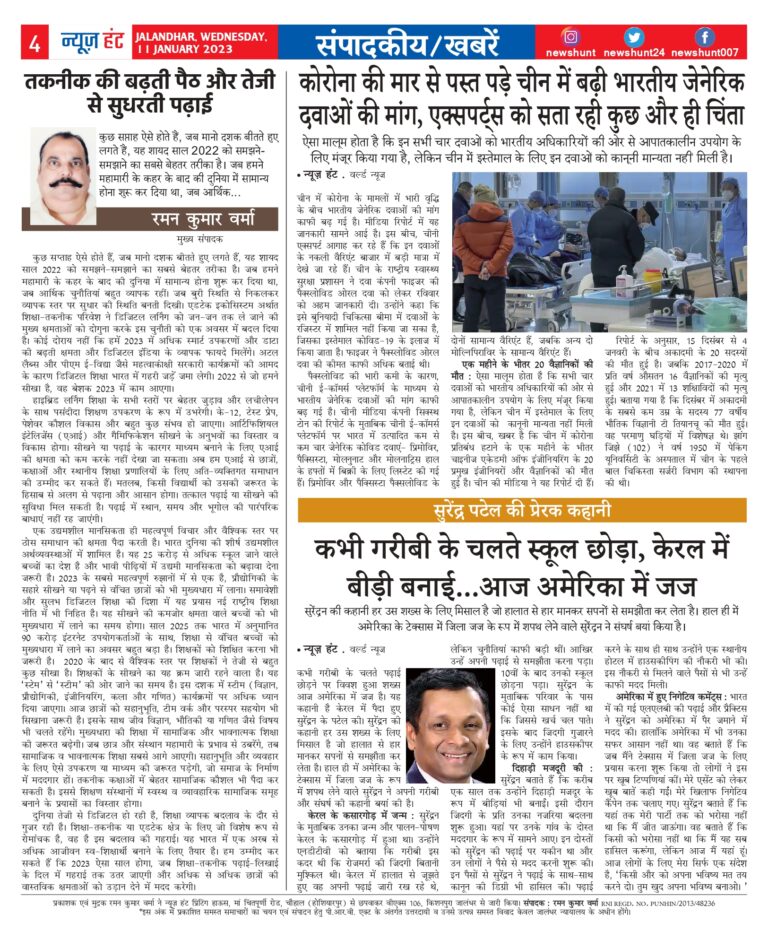
News Hunt Daily Evening E-Paper

0

11 January 2023

Page 4

#news #breakingnews #epaper #Newshunt #latestnews #LatestUpdates #latestupdates #indianewstodaylive

Union Minister Dr Jitendra Singh stresses the need to devise mitigation strategies to minimise human consequences of natural disasters

0

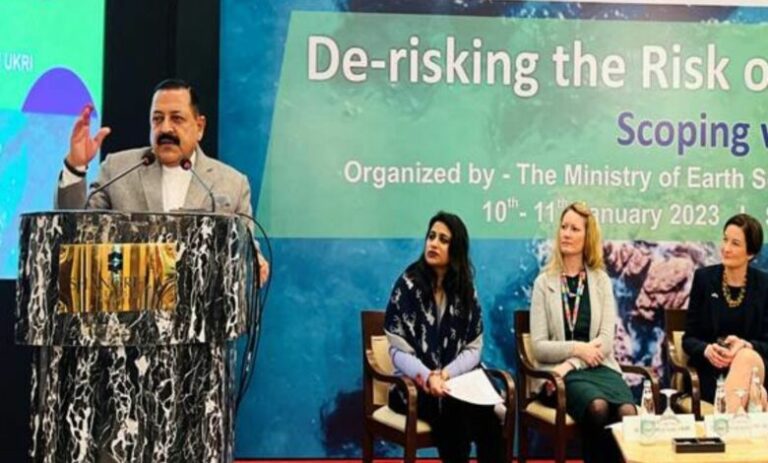
Dr Jitendra Singh made these remarks at the Joint Indo-UK Academic Workshop in Delhi, where the UK Delegation was led by Ms Christina Scott, British Deputy High Commissioner to India

While inaugurating the 2-day Indo-UK Workshop on “Earth Hazards” here today, Union Minister of State (Independent Charge) Science & Technology; Minister of State (Independent Charge) Earth Sciences; MoS PMO, Personnel, Public Grievances, Pensions, Atomic Energy and Space, Dr Jitendra Singh stressed the need to devise mitigation strategies to minimize human consequences of natural disasters.

Dr Jitendra Singh made these remarks at the Joint Indo-UK Academic Workshop in Delhi, where the UK Delegation was led by Ms Christina Scott, British Deputy High Commissioner to India at the British High Commission in New Delhi.  

Ms Scott was joined by Ms Wendy Matcham, Head of Resilient Environment, Natural Environment Research Council (NERC), UK Research and Innovation (UKRI) and Ms Sukanya Kumar, Acting Director, UK Research and Innovation India, while from the Indian Side, Dr M. Ravichandran, Secretary, Ministry of Earth Sciences, Dr O. P. Mishra, Director, National Center for Seismology, Ministry of Earth Sciences and Ms Sukanya Kumar, Acting Director, UK Research and Innovation India took part in the deliberations.

It is a providential coincidence, said Dr Jitendra Singh that the Joint Geoscience Workshop on “Earth Hazards” is happening at a time when India is dealing with the Joshimath incident in Uttarakhand, where the Ministry of Earth Sciences is involved in addressing the issue along with other agencies.

Dr Jitendra Singh said, taking a cue from Prime Minister Narendra Modi, the Ministry of Earth Sciences has adopted a Pro-active stance and established 37 New Seismological Centers (Observatories) in the last two years and now India has 152 such centres for extensive observation facilities generating a huge database for outcome-oriented analytics. He informed that in the next 5 years, 100 more such seismological centres will be opened across the country for improving real-time data monitoring and data collection. India is moving closer to playing a critical role in seismological advancement and understanding, the Minister added.

Dr Jitendra Singh underlined that there is a critical need for fundamental research on the physical processes that lead to failure of the brittle layers beneath the crust and sub-crust, to develop low-cost solutions to identify and quantify the geo-hazards over the vast regions and devise mitigation strategies that are appropriate to widely varying – and rapidly evolving – political, social, and economic contexts. He also added that scientific understanding of the processes behind disasters has grown immensely over the past 50 years, and there is a need for strengthening further international collaborations like the Indo-UK initiative to fight such disasters in future.

The Minister underlined that deep collaboration of Indian scientists with UKRI counterparts on Solid Earth Hazards will enrich our understanding to further develop a way out for mitigating the risk associated with natural disasters like earthquakes, landslides, tsunamis, etc.

Dr Jitendra Singh thanked the British High Commissioner for the Joint Workshop and remarked that such academic engagements in India would foster new enthusiasm in young researchers and enable them to forge collaborations and construct multi-disciplinary science proposals, the outcomes of which will help us to move into the future with a better understanding of our planet, armed with new scientific solutions. The Minister further added that with the growing consciousness of the interconnected physics behind the Earth’s processes and its interior dynamics, scientists are enthusiastically pushing frontiers of joint research in different spheres of Earth’s sciences.

Ms Christina Scott said, “building resilience to geo-hazards presents a major challenge that requires collaborative international action by researchers, policymakers, governments, private sectors, and civil societies”

Ms Christina Scott in her remarks said that building resilience to geo-hazards presents a major challenge that requires collaborative international action by researchers, policymakers, governments, private sectors, and civil societies. She said, in this context, the UK earth scientists may significantly contribute to the current understanding of tectonic activity and its relation to geo-hazards in India. The outcome of the workshop will lead to specific scientific problems much relevant to society that would jointly be studied with the UK counterpart to understand the challenges faced by India, Ms Scott added.

Dr M. Ravichandra said that this joint workshop is a fitting environment for both countries to shake hands and forward research in their niche as well as pursue new avenues of multi-disciplinary investigations. He said it will indeed provide an opportunity for experts/academicians from India and the UK to come together and discuss the critical need for fundamental research in different aspects of Solid Earth Hazards for the Indian region.

Ms Wendy Matcham, Head of Resilient Environment, Natural Environment Research Council (NERC), UK Research and Innovation (UKRI) said in her remarks that the aim of this workshop is to scope the potential areas of focus of research between the UK and India. She said it would be noteworthy to mention that UKRI has already engaged them in a similar kind of collaboration on activities of MoES related to atmospheric science and hydrological science.

The Ministry of Earth Sciences (MoES) has constituted a team of scientists representing the National Center for Seismology (NCS) New Delhi, the Borehole Geophysical Research Laboratory (BGRL) Karad, the National Center for Earth Science Studies (NCESS) Thiruvananthpuram, and the National Center for Polar and Ocean Research (NCPOR) Goa to interact with the team of visiting experts/scientists from the UK during the workshop in the line to develop collaborations and frame unique research projects on Solid Earth Hazards.

During the two days workshop experts/scientists from both countries shall have deliberations on different aspects of the solid earth hazards. The identified potential areas of focus for this programme of research may include, but are not limited to Physics of rock failure: Earthquakes, Landslides, combining data sets from the laboratory, remote-sensing, and field observations; the development of Earth Observation and AI techniques to identify geo-hazards, map vulnerabilities, explore mitigation strategies, and guide responses to disasters; Sensor technologies for dense monitoring of crustal deformation; Improved quantification of hazards and risks; Dynamic scenarios – guiding long-term development of cities and regions in response to geo-hazards; Hazard potential of tsunami-genic zones; Study of ionospheric disturbance by studying TEC using GPS and Study of the focal mechanism using real-time GPS &SMA data.

The history of instrumental earthquake monitoring in India dates back to 1898 when the first seismological observatory of the country was established at Alipore (Calcutta) on 1 December 1898 after the 1897 great Shillong plateau earthquake of magnitude of 8.7, the deadliest and the highest magnitude earthquake in the history of Indian earthquakes so far recorded till date.

The National Centre for Seismology under the Ministry of Earth Sciences is the nodal agency of the Government of India (GoI), for monitoring earthquakes in and around the country. For this purpose, NCS maintains a National Seismological Network (NSN) consisting of 152 observatories spread across the country. The information on earthquakes reported by NCS is being disseminated to the concerned central and state disaster authorities in the least possible time to initiate adequate mitigation measures.

Union Minister Shri Parshottam Rupala visits Indo-Bangladesh Border Haat at Kalaichar

Launches mobile veterinary units at Mahendraganj

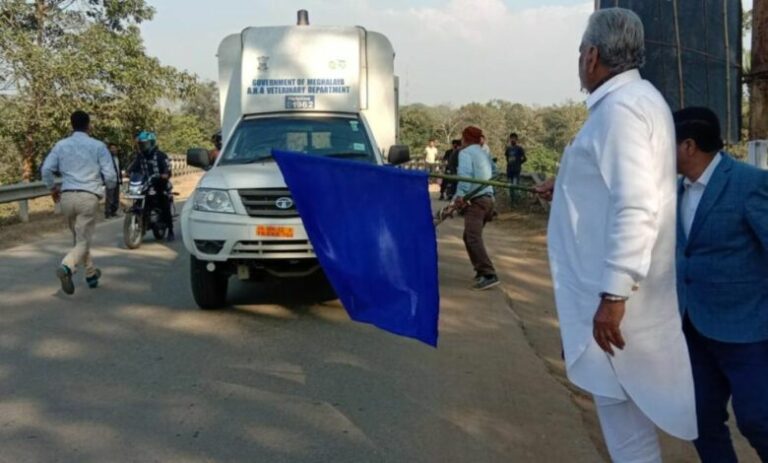
Union Minister for Fisheries, Animal Husbandry & Dairying Shri Parshottam Rupala ceremoniously launched the Mobile Veterinary Units (MVUs) at a programme held at Mahendraganj, South West Garo Hills, Meghalaya.

The mobile units have been facilitated by Prime Minister Shri Narendra Modi to help the rural farmers of the area to ease the treatment of the animals, said the Minister while addressing the programme organized by the Animal Husbandry & Veterinary Department.

“We have dedicated 17 MVUs to Meghalaya. 90 per cent of their expenditure will be borne by the Government of India. In the entire State, veterinary facilities will be available at the doorstep of the people. One has to just dial 1962 and an MVU will reach your doorstep,” he said.

Each van or mobile veterinary clinic comes with all the necessary equipment required for the treatment of animals and would have one doctor, paramedical staff and a driver.

With the help of these MVUs, the Officials of the Animal Husbandry & Veterinary department will be able to conduct vaccination, artificial insemination and all kinds of treatment for sick animals, he added. He later flagged off the vans at Garobadha on his departure from South West Garo Hills district.

Shri Parshottam Rupala lauded the efforts of the State Officials for managing the developmental works at the grassroots level. He specifically mentioned the Fisheries department for increasing fish production in the district, adding that the State will be able to export fish and meet the deficit. The area also has the potential for poultry and dairy, he observed.

“I visited and inspected the Dairy Farm near Tura. It is an old one. Time has changed and it needs to be upgraded. The Cooperative model should be adopted to help dairy farmers and they, in turn, should cooperate with the local administration and avail the benefits from the schemes of the Central Government,” he said.

Rupala also said that Border villages are being prioritized under the leadership of the Prime Minister. “Ministers have been instructed to visit the border areas and interact with the border communities,” he said, adding that visiting border villages and assessing their needs and difficulties is a priority of the Government of India.

On the second day of his visit to South West Garo Hills, the Union Minister undertook a whirlwind tour of various field projects in the district. He visited the Indo-Bangladesh Border Haat at Kalaichar and inspected the border fencing along the 38-km border with Bangladesh. He interacted with the BSF Jawans, BSF Officials, Officials of the Border Areas Development department and the members of the Border Haat Committee who raised issues like the lack of basic amenities and infrastructure for traders in the Haat.

Shri Parshottam Rupala was also impressed by the maintenance of Aqua Park at Jalgaon by fish farmers and Taljawa lake at Kumligaon, which have been created with the assistance of Central and State schemes through community effort. Earlier he also paid a visit to Kamakhya Temple at Thakuranbari and interacted with local communities, SHGs, etc. at Monabari and Kodaldhowa villages of the district.

NCW organizes All India meeting of DG /IG Prisons

0

As part of its mandate, the NCW examines various jails throughout India, paying close attention to ensuring the rights of women inmates

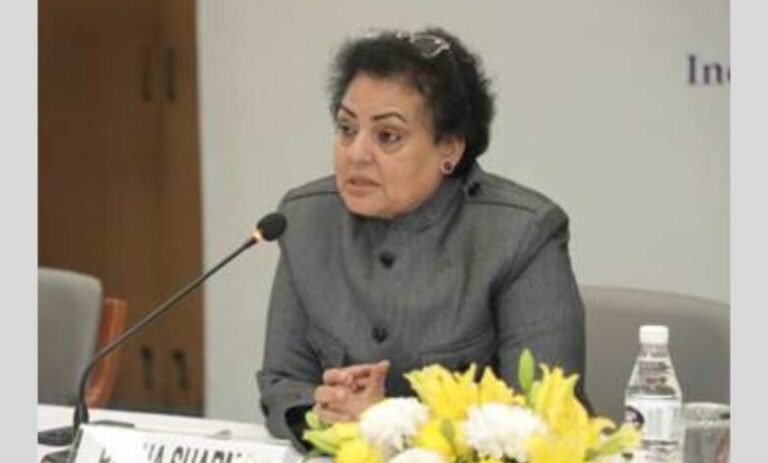
The National Commission for Women (NCW) organized an All India meeting with the Director Generals (DG) and Inspector Generals (IG) of Prisons on ‘Police Administration in Light of the Rights of Women Prisoners’ to discuss provisions that impact the welfare of women inmates in prisons. The meeting was attended by around 16 DGs/IGs of Prisons and representatives from States across India along with officials from DLSAs, NGOs and academia.

The meeting was chaired by the Chairperson, of NCW, Ms Rekha Sharma, and also attended by Shri Asholi Chalai, Joint Secretary of NCW, and Shri James Miahlung, Deputy Secretary of the NCW. In her inaugural address, Ms Sharma emphasized the importance of ensuring that women prisoners have access to all necessary amenities. She called on the Director General (DG) of Prisons to facilitate the economic rehabilitation and reintegration of these women with their families and society after their release from prison.

As part of its mandate, the NCW examines various jails throughout India, paying close attention to ensuring the rights of women inmates.

The DGs and Inspectors General (IGs) presented the best practices adopted by the states with regard to the amenities offered to inmates, counselling services, skill development training for female inmates, and the reintegration of these women into society.

During the meeting, several suggestions were made to improve the condition of women inmates. These suggestions included hiring more prison staff, focusing on the mental health problems faced by inmates, addressing infrastructure problems of prisons, giving inmates access to quality legal aid and assistance, and ensuring that they receive robust vocational training.

The commission will be taking recommendations forward to ensure that necessary steps are taken to improve the welfare of women inmates in prisons.

The recommendations also included facilitating more in-person meetings of inmates with their family members, providing recreational facilities to the inmates, exploring the possibility of more open prisons and halfway homes, looking into Corporate Social Responsibility (CSR) funds for inmates’ welfare, and establishing links between the prisons administration and the District Legal Services Authority.

The meeting covered a wide range of topics, including the overcrowding in prisons, the availability of proper sanitation and hygiene facilities for women prisoners, and the appointment of trained and sensitive staff, particularly female officers and guards in these prisons.

The meeting also discussed new skill development training, legal assistance and aid for under trials, and the need to provide employment opportunities to the inmates.

The Commission will be taking all the recommendations discussed during the meeting forward to ensure that all necessary steps are taken to improve the welfare of women inmates in prisons.

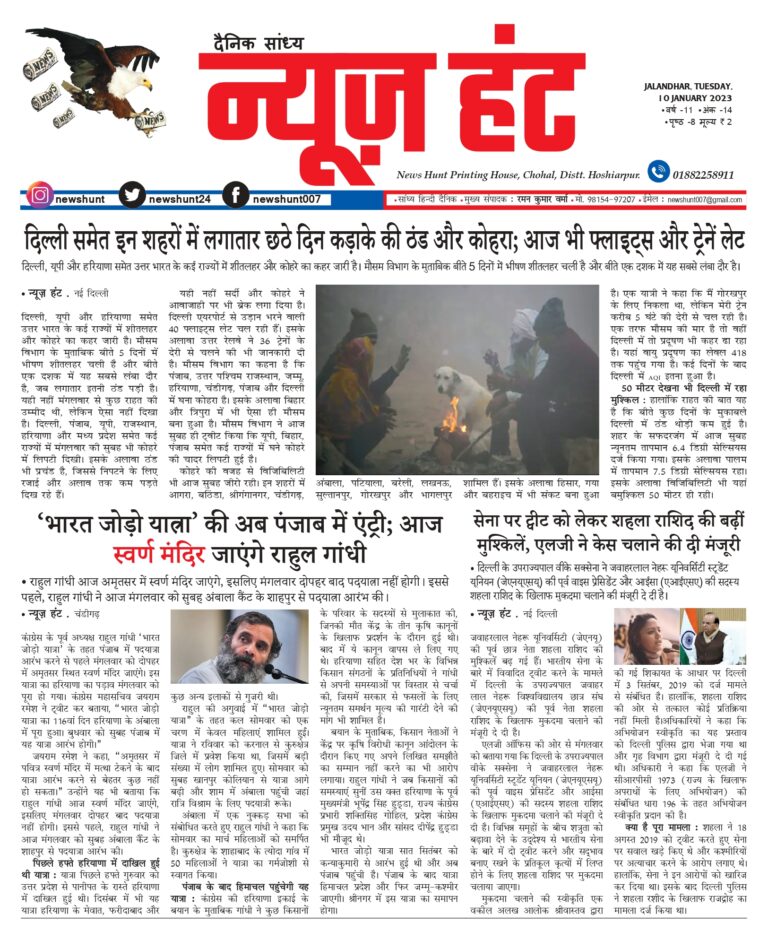
News Hunt Daily Evening E-Paper

0

10 January 2023

Page 1

#news #breakingnews #epaper #Newshunt #latestnews #LatestUpdates #latestupdates #indianewstodaylive